1950s

Desegregating the Schoolhouse Doors

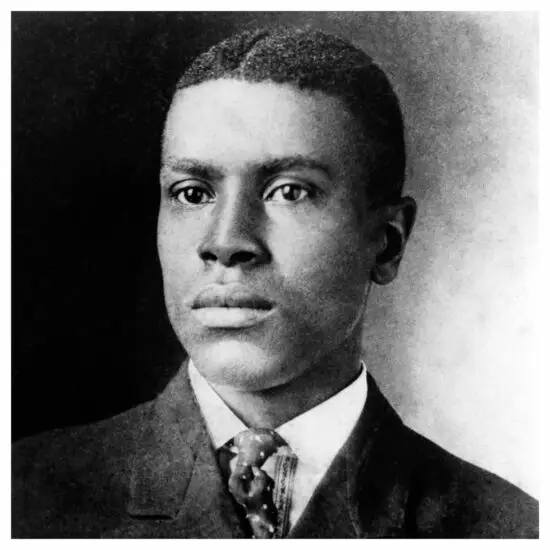
Vivian Malone and James Hood calmly faced reporters as they prepared to integrate the University of Alabama in 1963, symbolizing the determination of Black youth in the face of those who were staunchly opposed to desegregation.
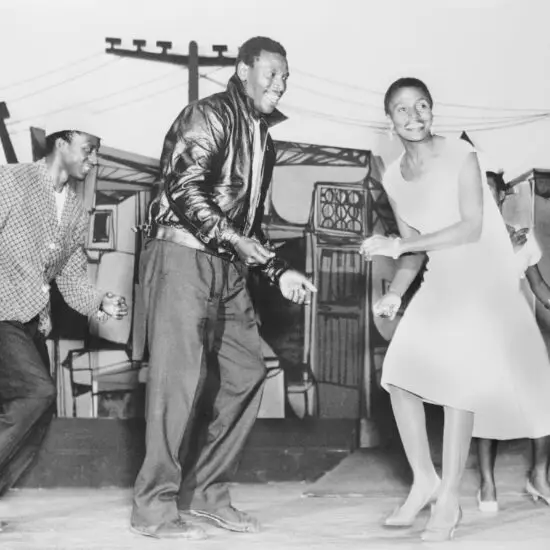
Jazz band performing with Ahmad Jamal on piano, Jon Morris on trombone, Harold 'Brushes' Lee on drums, Horace Turner on trumpet, John Foster on saxophone, and Sam Hurt (cut off on right) on trombone, in stage in front of sparkled curtain, Pittsburgh, Pennsylvania, 1945.

Pittsburgh’s Jazz Hotspots

Pittsburgh’s segregated Hill District became a hub of jazz and Black culture. Charles “Teenie” Harris, the renowned photographer and chronicler of Black life, captured it all.

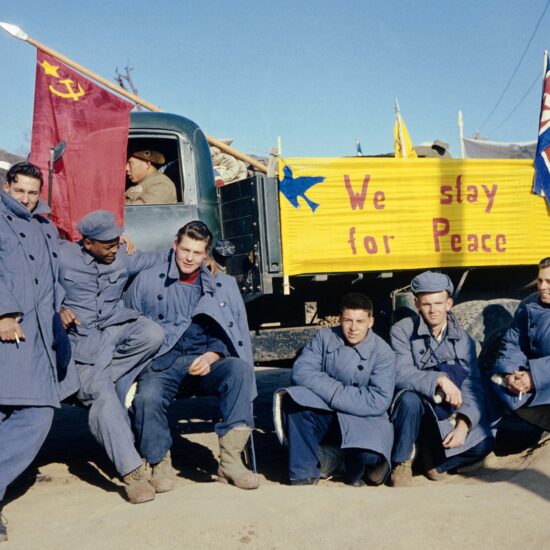
Five of the 21 American soldiers who refused to return to America at the end of the Korean War. The sign on the truck reads: "We Stay for Peace." They moved to China; by the 1960s, all but two had returned home.

Black Soldiers After the Korean War

Some Black soldiers chose not to go home after the war, remaining in North Korea and China—behind the “bamboo curtain”—to escape racism in the United States.

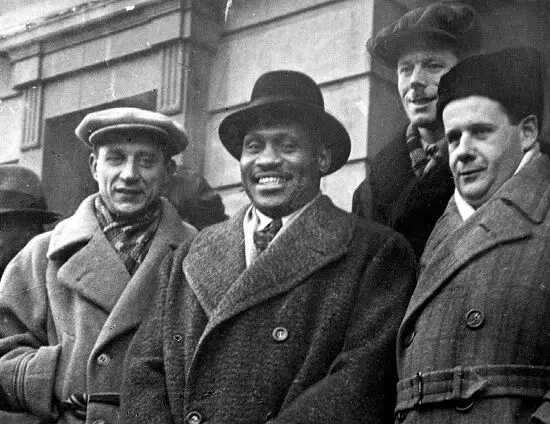
Paul Robeson, singer, performer and civil rights activist, is welcomed in Russia, Moscow, Russia, January 19, 1935.

Paul Robeson in the Soviet Union

Between the 1930s and 1960s, the famous singer and actor made many visits to the world’s first socialist country, which made a lasting impression on his art and politics.

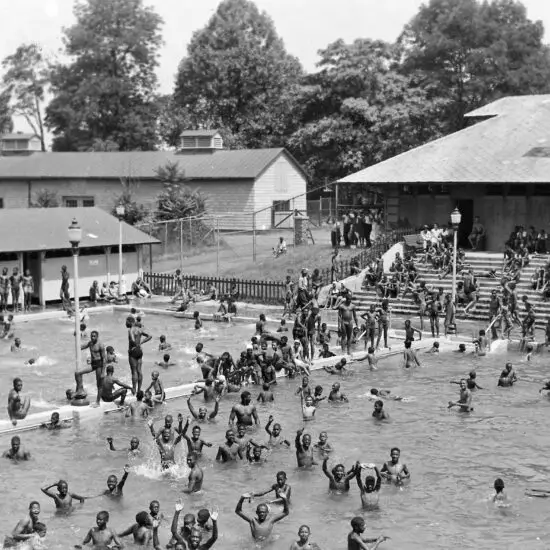
African-American children in a segregated swimming pool at Druid Hill Park, Baltimore, Maryland, 1955.

Members Only

With integration a legal right, swimming pools became a new battleground in the segregation fight.