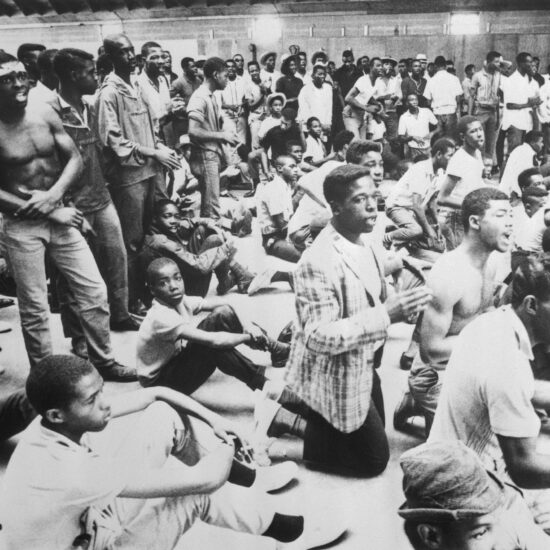
The Emmett Till Generation
Youth Activism in Jim Crow Jackson, Mississippi, 1963.

A collaboration of  and
and 
Youth Activism in Jim Crow Jackson, Mississippi, 1963.
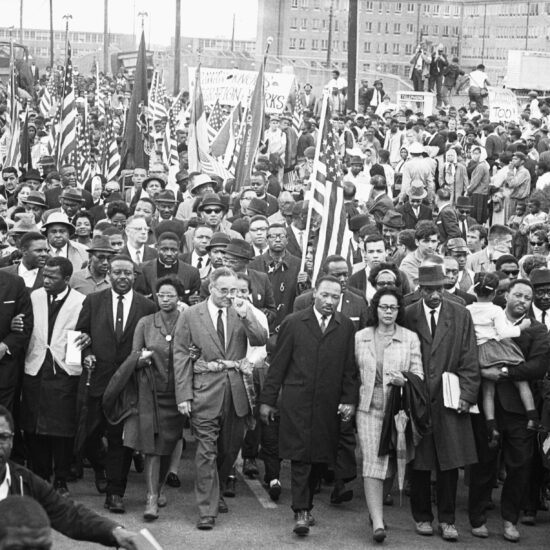
Photos from the 1965 Selma to Montgomery March often downplay the transformative role of community-rooted power in securing voting rights for all Americans.

Years after breaking the color barriers that surrounded baseball and tennis, Jackie Robinson and Althea Gibson changed yet another sport.

Vivian Malone and James Hood calmly faced reporters as they prepared to integrate the University of Alabama in 1963, symbolizing the determination of Black youth in the face of those who were staunchly opposed to desegregation.
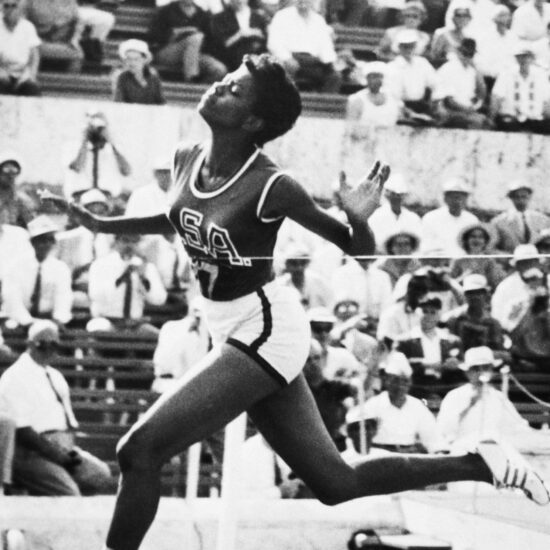
The story of Black women and track and field through the lens of one of the early greats, Wilma Rudolph.

His victories, entrepreneurial spirit, and flamboyance in and out of the ring made Sugar Ray Robinson the quintessential modern athlete.
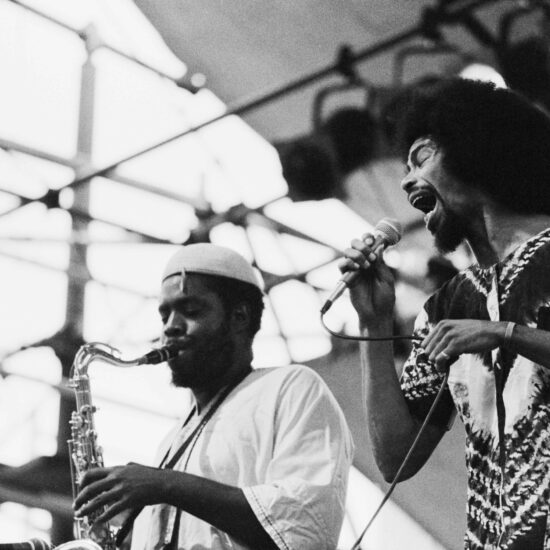
The influence of writer and musician Gil Scott-Heron is widely felt. However, assessing his legacy involves figuring out just what kind of artist he was.
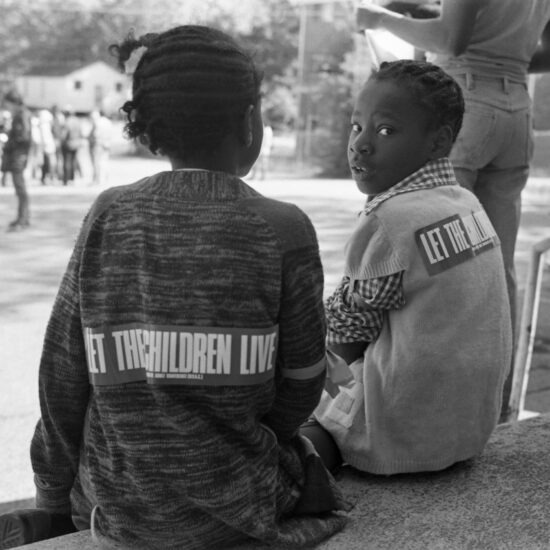
In his last and least known book, James Baldwin demonstrates how the Atlanta Child Murders were not an aberration but rather evidence of the failures of integration, the growing divide between the Black poor and the middle classes, and the need to claim the dead as our own.
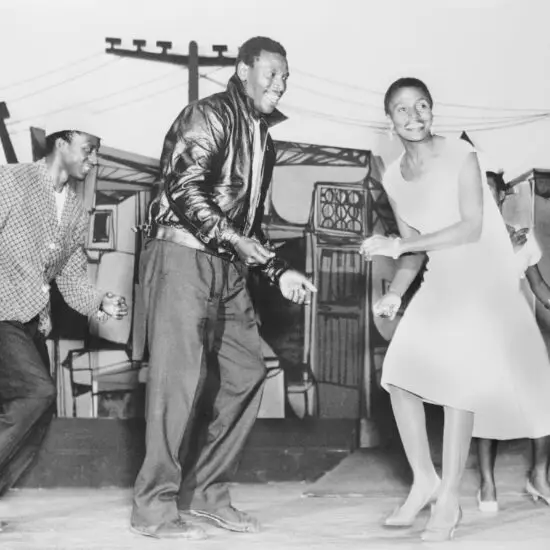
The success of the integrated production of the 1959 musical King Kong had been highly unlikely, and it symbolized a fleeting burst of hope for a multiracial society in Apartheid South Africa.
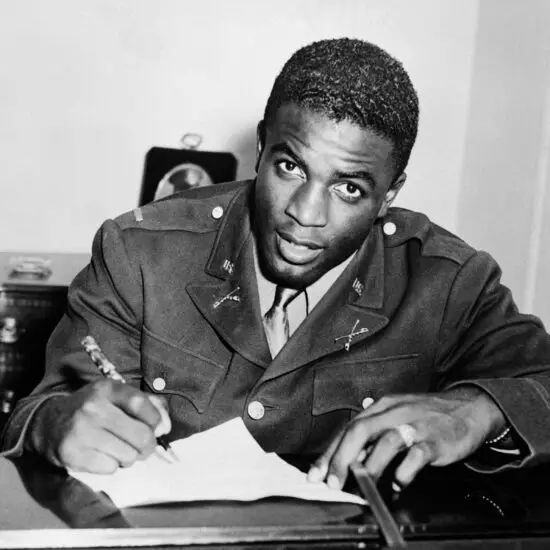
Before beginning his Hall of Fame baseball career, Jackie Robinson served as a second lieutenant in the United States Army, enduring a court martial in pursuit of equal rights for Black soldiers.