The influence of writer and musician Gil Scott-Heron is widely felt. However, assessing his legacy involves figuring out just what kind of artist he was.
In his last and least known book, James Baldwin demonstrates how the Atlanta Child Murders were not an aberration but rather evidence of the failures of integration, the growing divide between the Black poor and the middle classes, and the need to claim the dead as our own.
Toni Morrison’s Beloved receives acclaim and suppression in equal measure, proving that unapologetically centering Blackness in literature is still controversial in the United States.
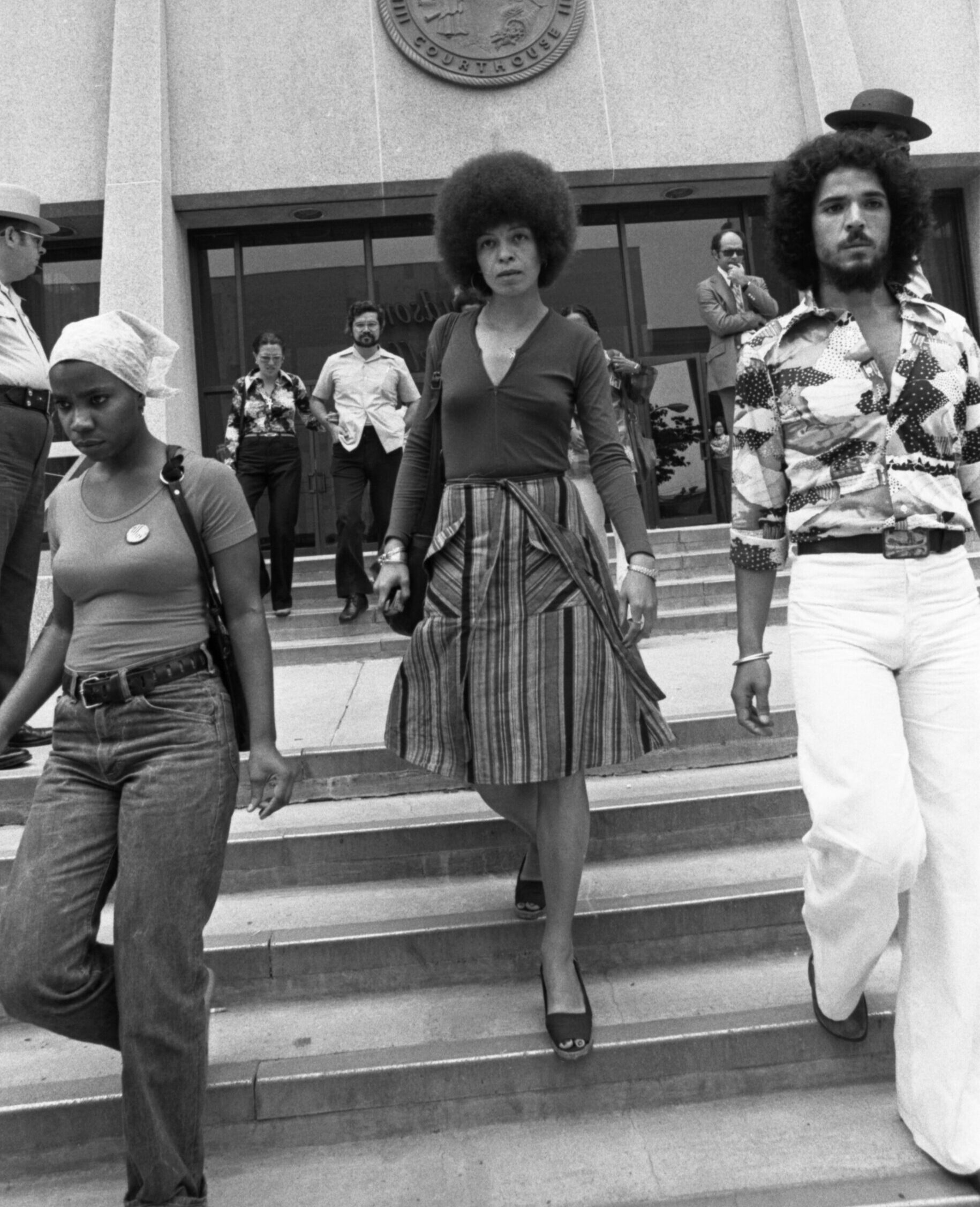
This photograph of young black activists descending the courthouse steps, including civil rights leader Angela Davis, highlights the struggle for justice and community resistance in the U.S. court system.
Despite Anita Hill accusing Clarence Thomas of sexual harassment in 1991, the controversy surrounding him now is mainly about his politics. Yet, the story of Justice Thomas exemplifies a longstanding irony of racial uplift efforts: the elevation of Black figures who perpetuate the silencing or mistreatment of Black women.
The editorial team at Picturing Black History recognizes the importance of Black history as a subject of academic knowledge and a source of African diaspora identities. We embrace the power of images to capture stories of oppression and resistance, perseverance and resilience, freedom dreams, imagination, and joy within the United States and around the globe.
Picturing Black History emerged in the wake of national and international Black Lives Matter protests following the murder of George Floyd at the hands of four Minneapolis police officers in 2020. We recognize that Black Lives Matter is a contemporary outgrowth of a long history of Black racial protest in the United States. Picturing Black History is our collaborative effort to contribute to an ongoing public dialogue on the significance of Black history and Black life in the United States and throughout the globe.





 and
and