The Brave Court Testimony of Mose Wright
Mose Wright’s 1955 testimony at the trial of Emmett Till’s murderers demonstrates that fear did not hinder Black resistance during the civil rights era.
Untold stories and rarely seen images of the Black experience

Mose Wright’s 1955 testimony at the trial of Emmett Till’s murderers demonstrates that fear did not hinder Black resistance during the civil rights era.

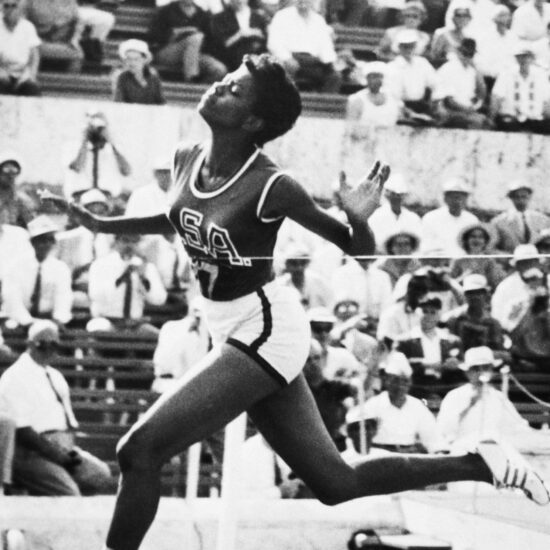
The story of Black women and track and field through the lens of one of the early greats, Wilma Rudolph.

Once enslaved and later the first Black American to graduate from West Point, Henry Ossian Flipper is America’s overlooked, trailblazing antihero.

His victories, entrepreneurial spirit, and flamboyance in and out of the ring made Sugar Ray Robinson the quintessential modern athlete.

Pittsburgh’s segregated Hill District became a hub of jazz and Black culture. Charles “Teenie” Harris, the renowned photographer and chronicler of Black life, captured it all.

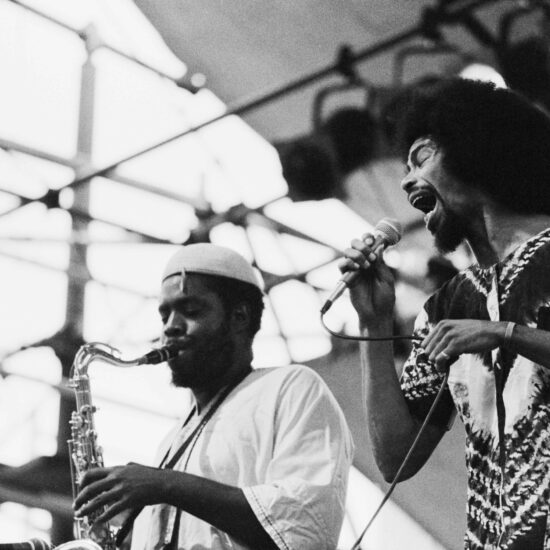
The influence of writer and musician Gil Scott-Heron is widely felt. However, assessing his legacy involves figuring out just what kind of artist he was.

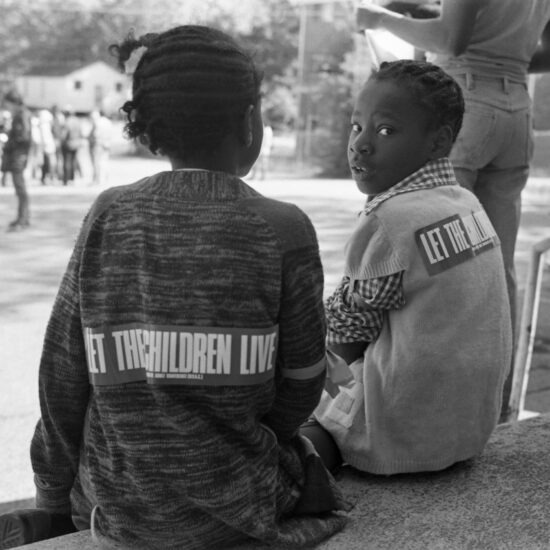
In his last and least known book, James Baldwin demonstrates how the Atlanta Child Murders were not an aberration but rather evidence of the failures of integration, the growing divide between the Black poor and the middle classes, and the need to claim the dead as our own.

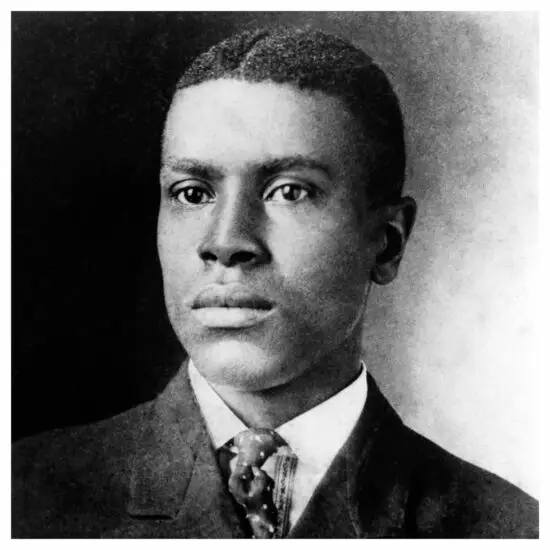
Writer and director Oscar Micheaux was a creative entrepreneur and one of the most important figures in African American cinema during the early twentieth century.

The success of the integrated production of the 1959 musical King Kong had been highly unlikely, and it symbolized a fleeting burst of hope for a multiracial society in Apartheid South Africa.

Toni Morrison’s Beloved
receives acclaim and suppression in equal measure, proving that unapologetically centering Blackness in literature is still controversial in the United States.